
Doctoral student, and her bird, co-designed NomadicPerch, a felted wearable that temporarily turns a hand into a mobile perch.
Amazon partnership establishes Cornell AI security initiative
Artificial intelligence agents – also known as agentic AI – can now build and launch software based on a few prompts. But AI agents can produce incorrect, misleading, and even malicious code that hackers can exploit. Thanks to a gift from Amazon, Cornell will lead the development of safety protocols to shore up AI agents and the code they produce.

2026 LinkedIn grant recipients to drive innovation in GenAI, LLMs
A group of scholars from the Cornell Ann S. Bowers College of Computing and Information Science are receiving grants from the strategic partnership between the college and LinkedIn, the world’s largest professional network, to drive innovation in areas like generative artificial intelligence (AI), AI architecture, and large language models (LLM).

FingerLakes1
Research from Azenkot and Vashistha looks to combat online ableism with AI

Personalized AI tools can combat ableism online

AI suggestions make writing more generic, Western
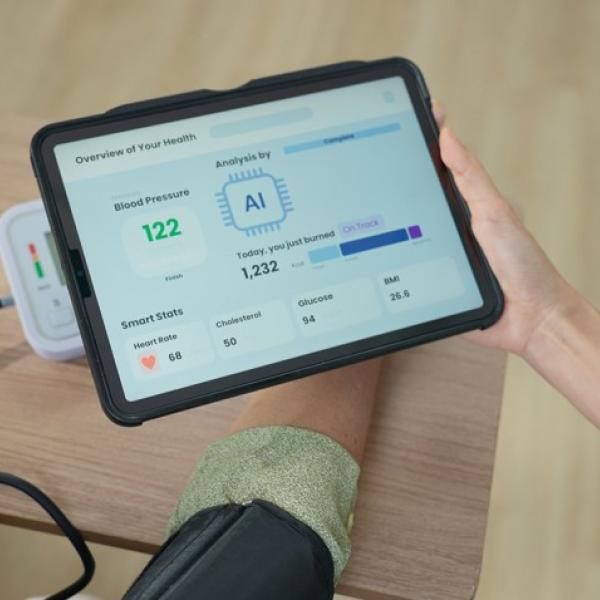
Home care workers unaware of AI’s role and potential benefits
Home care workers unaware of AI’s role and potential benefits
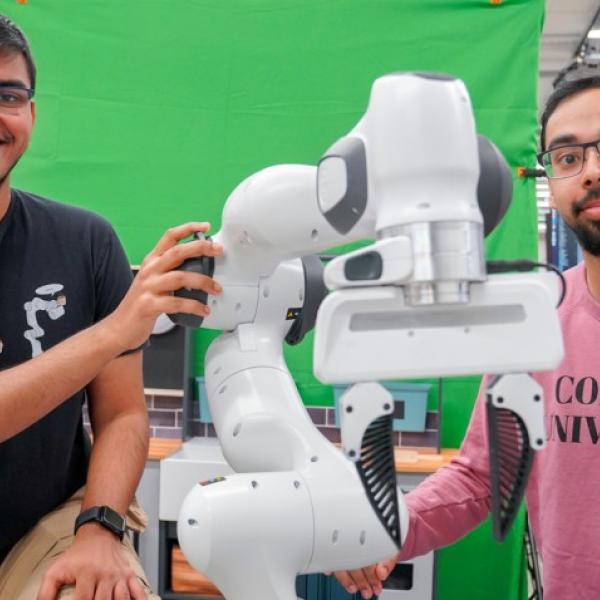
Robot see, robot do: System learns after watching how-tos

Nice flex: AI-powered smart clothing logs posture, exercises

Dataset reveals how Reddit communities are adapting to AI

Quantum statistical approach quiets big, noisy data