
Doctoral student, and her bird, co-designed NomadicPerch, a felted wearable that temporarily turns a hand into a mobile perch.
Amazon partnership establishes Cornell AI security initiative
Artificial intelligence agents – also known as agentic AI – can now build and launch software based on a few prompts. But AI agents can produce incorrect, misleading, and even malicious code that hackers can exploit. Thanks to a gift from Amazon, Cornell will lead the development of safety protocols to shore up AI agents and the code they produce.

2026 LinkedIn grant recipients to drive innovation in GenAI, LLMs
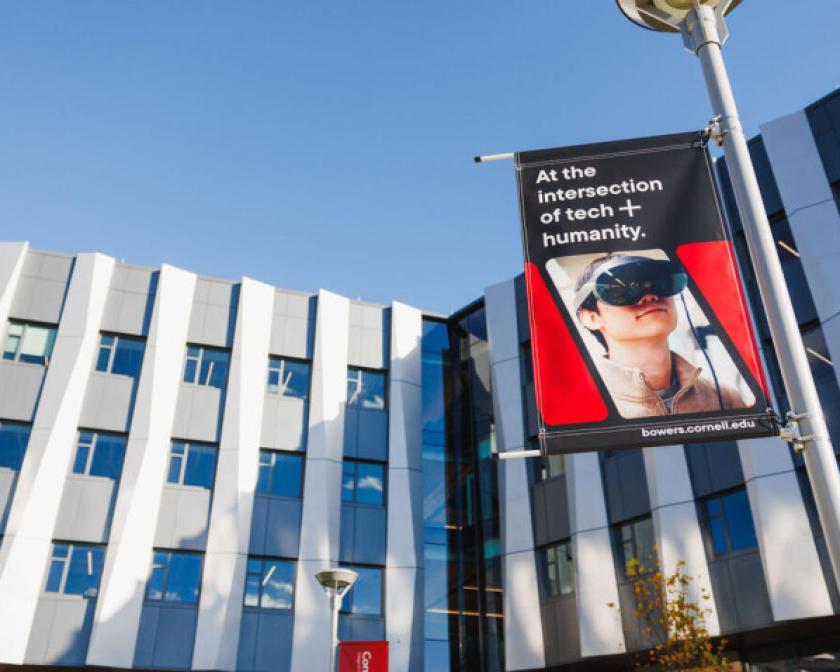
A group of scholars from the Cornell Ann S. Bowers College of Computing and Information Science are receiving grants from the strategic partnership between the college and LinkedIn, the world’s largest professional network, to drive innovation in areas like generative artificial intelligence (AI), AI architecture, and large language models (LLM).

Cornell Chronicle
Widespread AI misuse means higher ed must rethink assessment

Cornell Chronicle
Toyota Research Institute, Cornell partner on AI projects
Cornell Chronicle
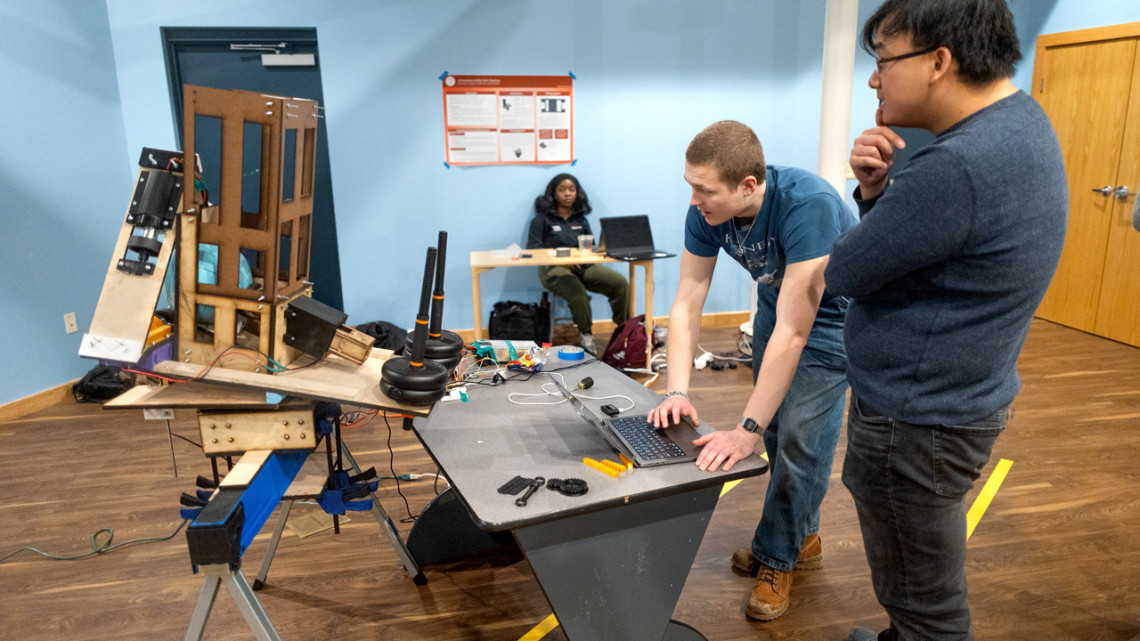
Students show off new machines at Sciencenter demo day

Cornell Tech
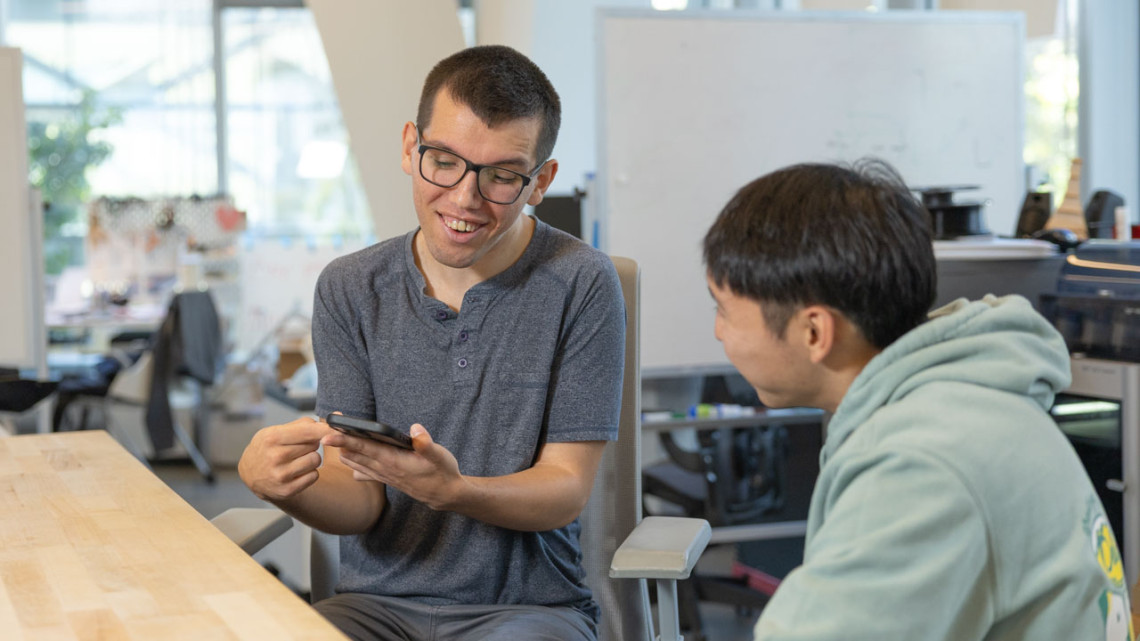
New approach designs healthcare robots with, not for, the people who use them
Cornell Chronicle
What does it mean to train an AI to speak like you?

Cornell Chronicle
Extended reality tool lets dancers analyze movement
AI Explained
Choudhury talks with AI Explained about using chatbots as therapists
IEEE Spectrum
IEEE Spectrum features the MirrorBot

Cornell Chronicle
AI tools to help vision-impaired are good, but could be better